Persi
Concept design, experience design and product innovation for a fashion technology business that went on to raise £660,000 and relaunch as Persi.
Read full story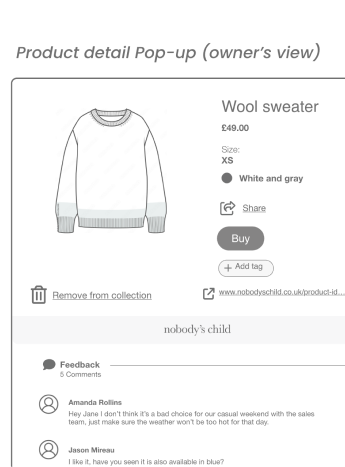
The brief we argued against
The business came to us with a combined problem: inside a single online shop, a shopper would answer a short visual questionnaire about the styles they wear, the shapes that suit them and the colours they would rather never see again. The shop would then rearrange itself around the answers.
It was a good idea, and it worked as far as it went. We worked on the foundations of the personalisation logic, alongside a mathematician from the University of Stirling. But the further we went the clearer it became that the idea was being held inside a container too small for it.
So we told the client what we thought. A shopper's taste and style are assembled across dozens of shops and years of purchases, and any system that can only see one catalogue is guessing with most of the evidence missing.
We realised that the most useful thing we could offer was not a better storefront. It was a bigger proposition.
Start from the wardrobe, not the click
Common personalisation engines in fashion were reading the same weak signals: broad customer segments, browsing behaviour, and the purchase history of one shop.
There was a far richer signal sitting in plain view ready to be used. The clothes a person already owns. What they reach for, what they never wear, and the gaps between the two.
That reframing changed who the product belonged to. Not the shop. The shopper.
From a shop to a wardrobe
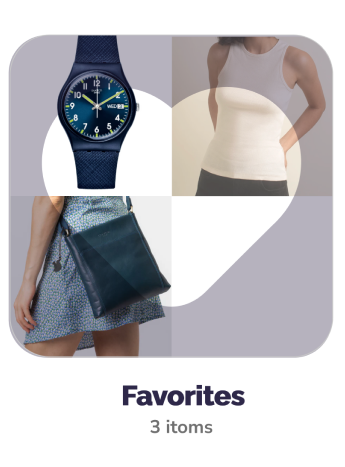
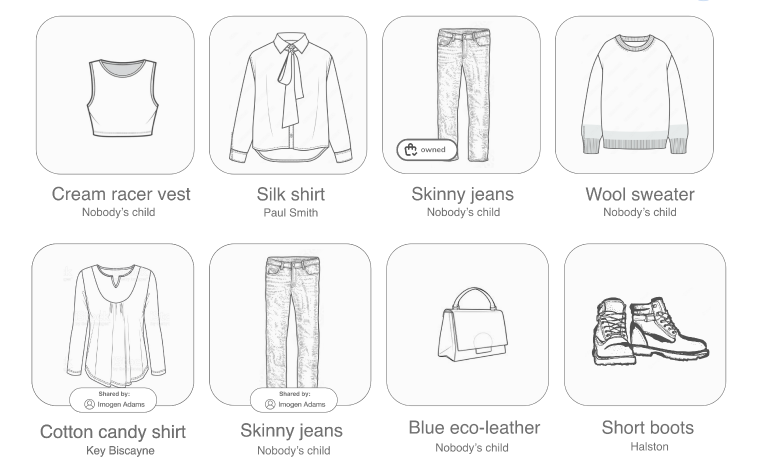
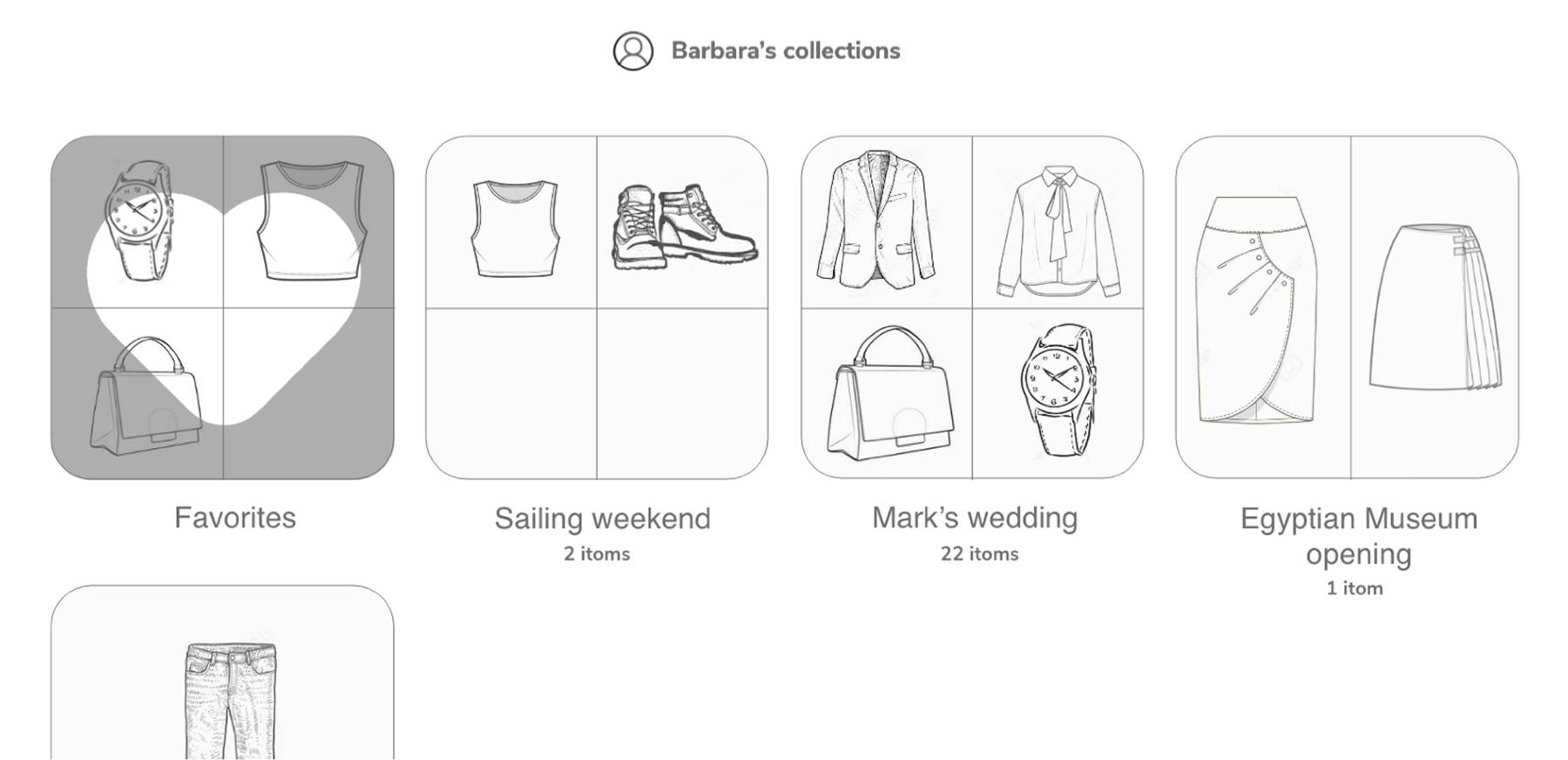
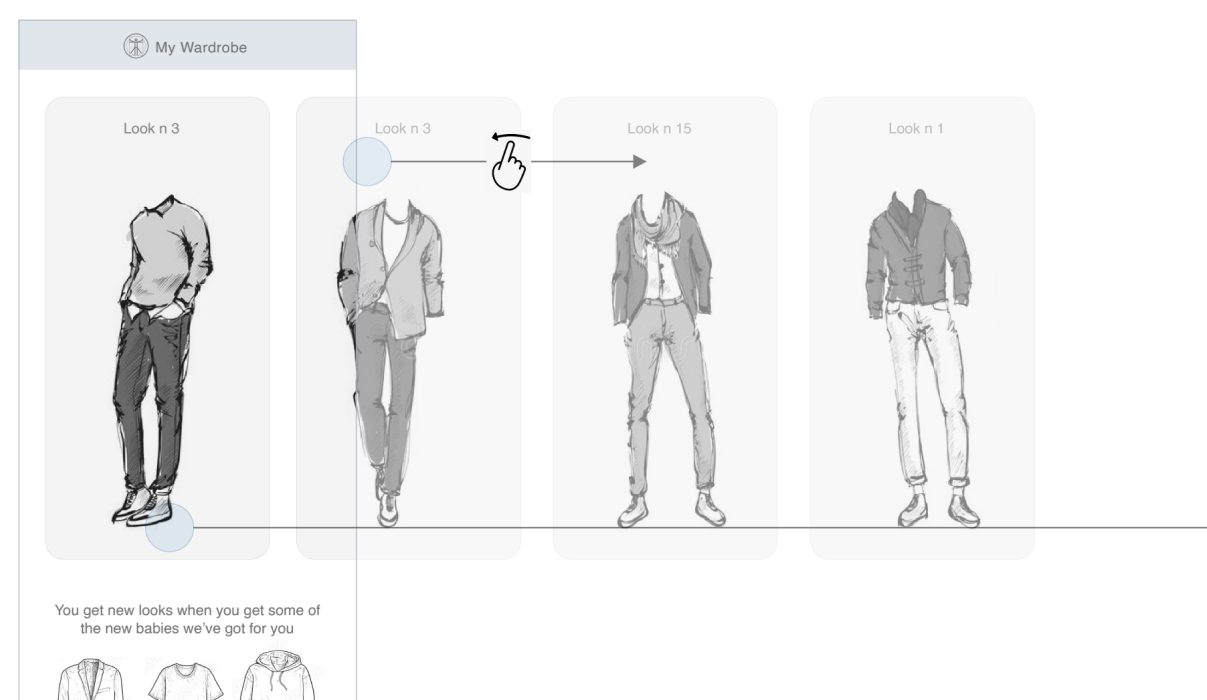
We designed a platform for the shopper. Somewhere they could gather garments from any retailer, mark what they already owned, assemble outfits from the combination, and share collections with the people whose taste they actually trust.
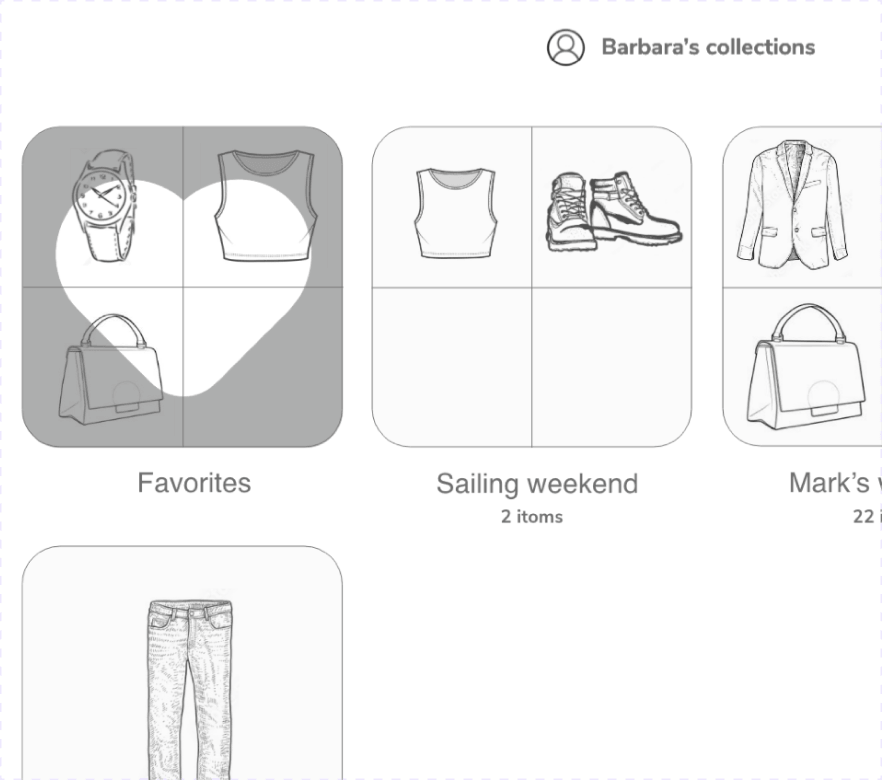
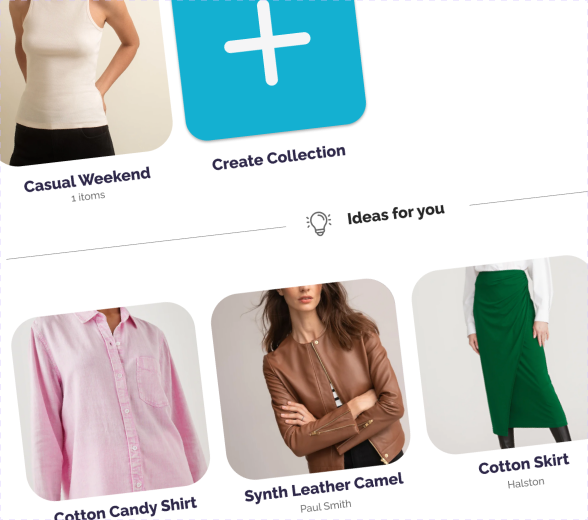
The unit of the system was no longer the product page. It was the collection: a dinner, a holiday, a wedding, a working week. People do not shop for garments in isolation, they shop for occasions, and we started designing a system that understands the difference.
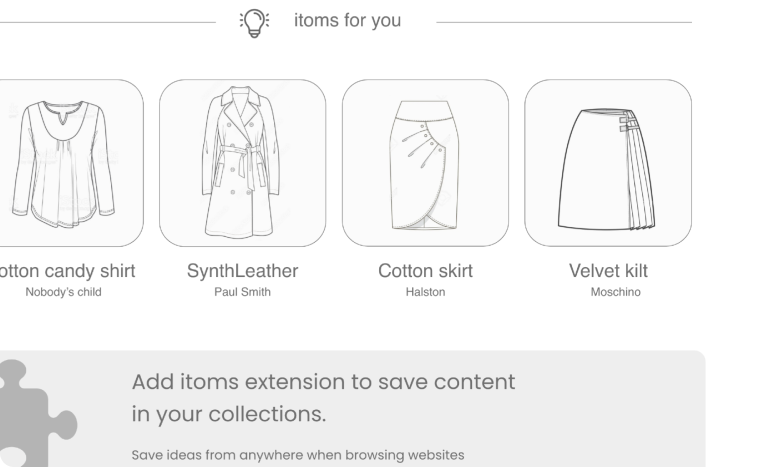
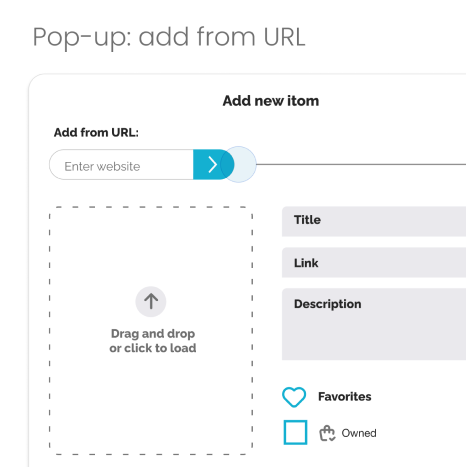
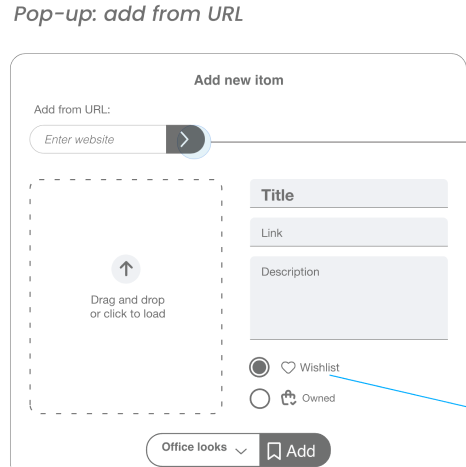
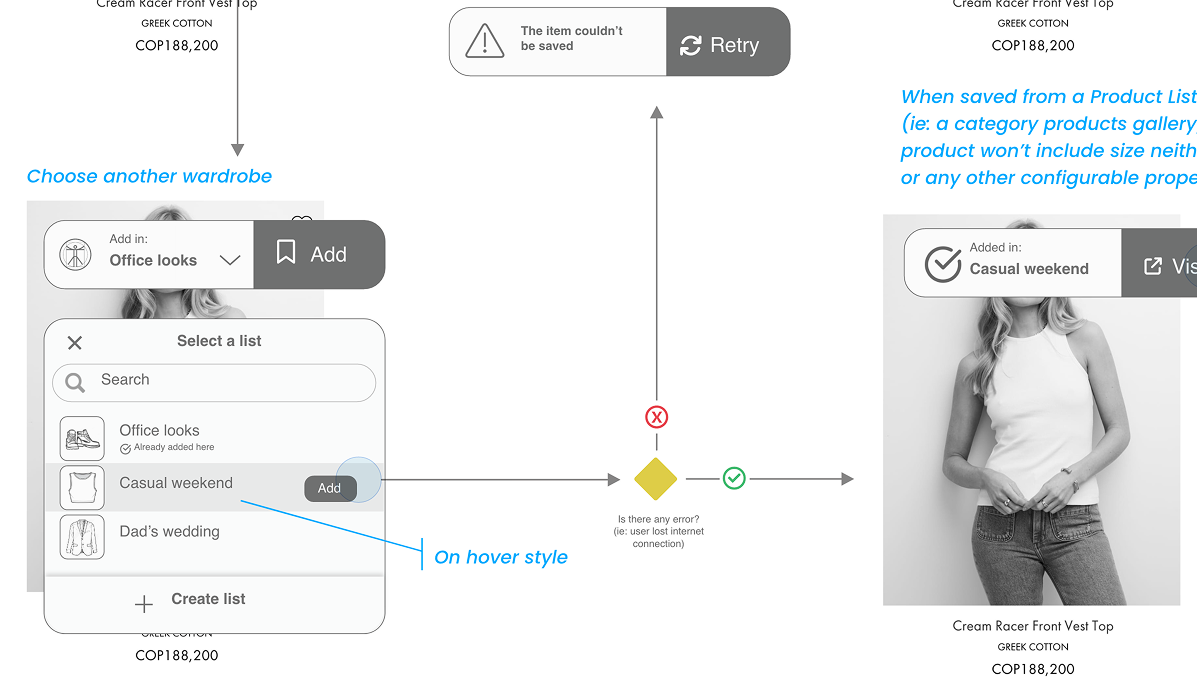
Rather than asking shoppers to come to a new destination, the product would follow them across the web. A browser extension meant a garment could be saved from any retailer's site, the way people already save images to a mood board, and arrive in a wardrobe that kept growing whether or not anyone was visiting our client's website.
We designed the system, not only the screens
We took the proposition all the way to a fully resolved experience, including the edge cases.
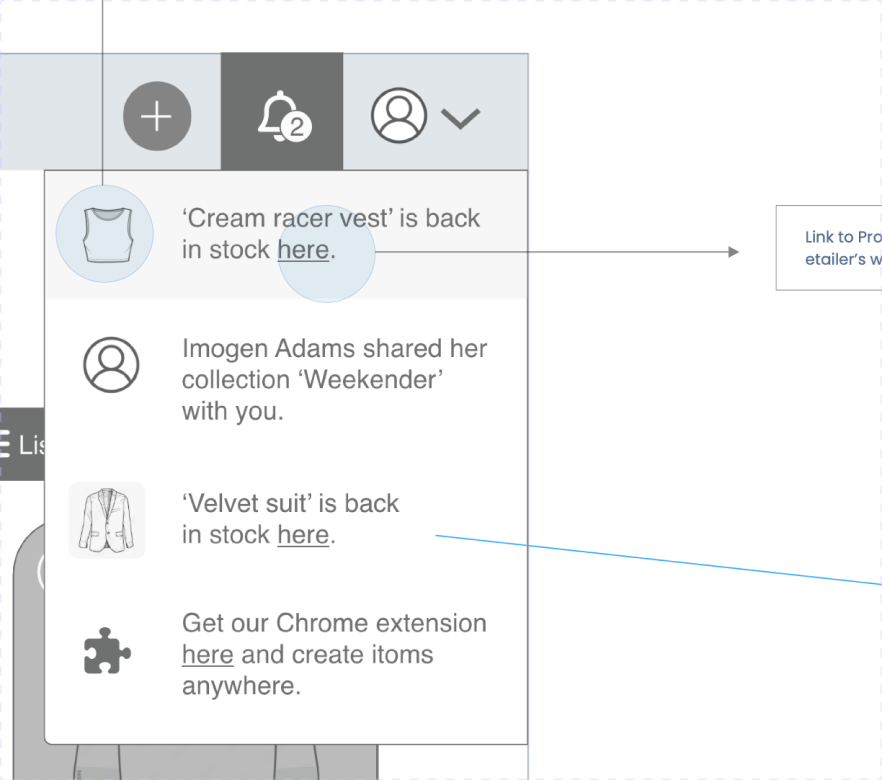
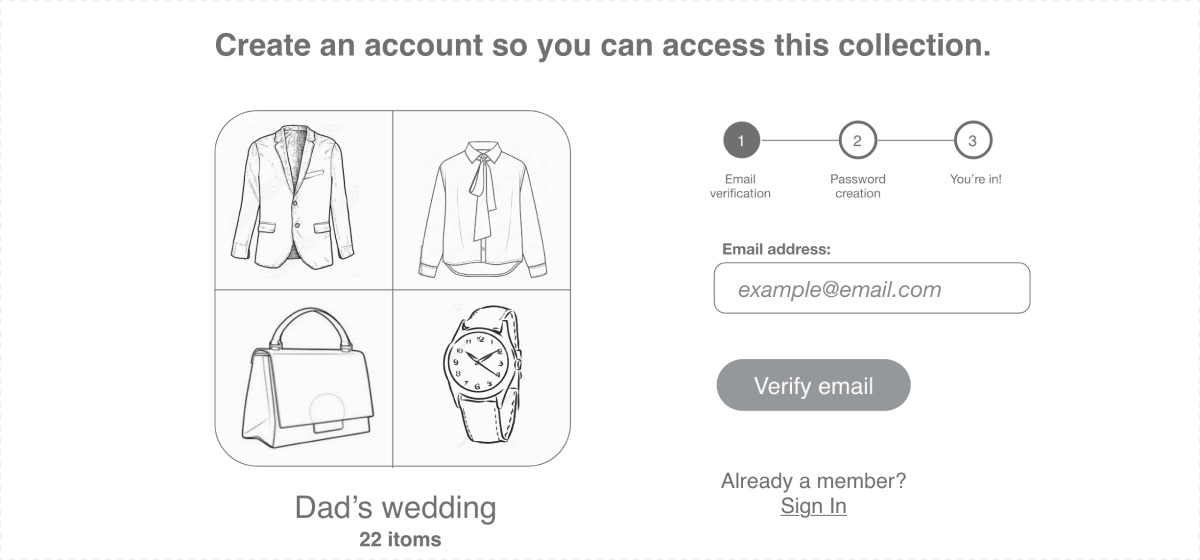
What happens when a collection is shared with someone who has no account. What a person can and cannot change in a wardrobe belonging to someone else. How a saved garment behaves once it goes out of stock, and what happens when it returns. How a shopper knows which of their collections a piece already sits in, without having the retailer's page.
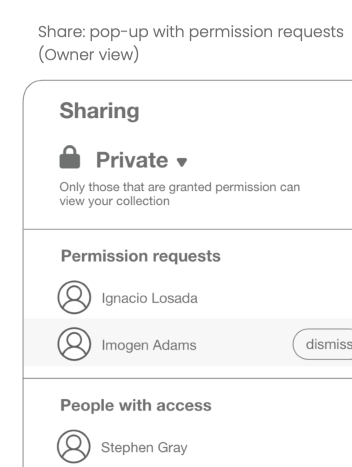
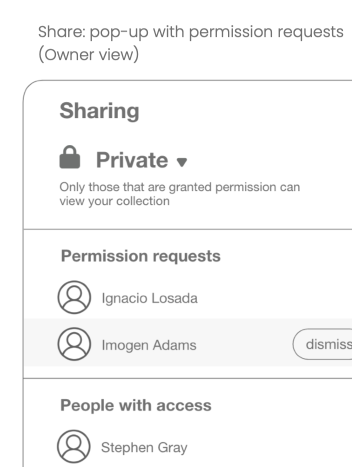
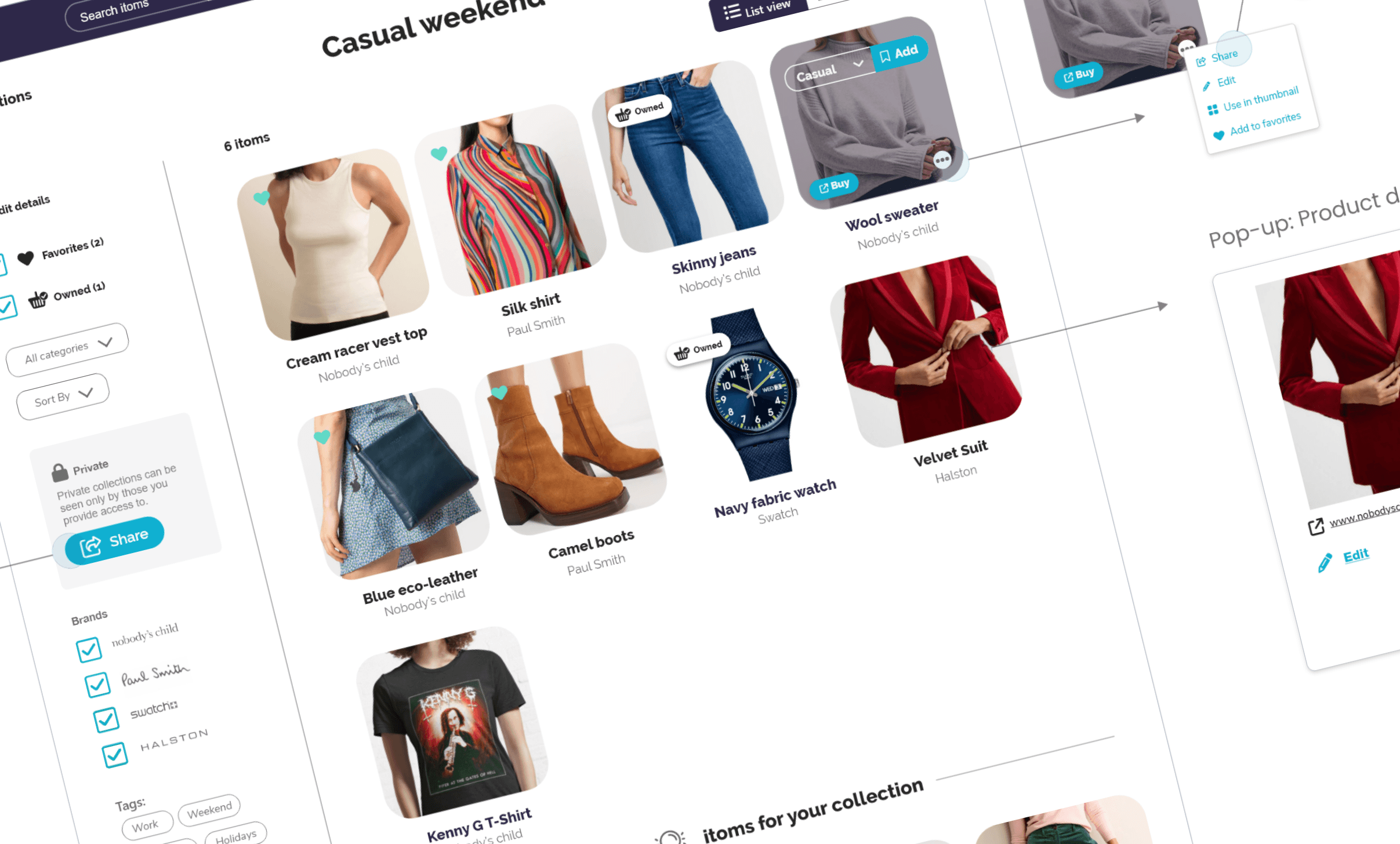
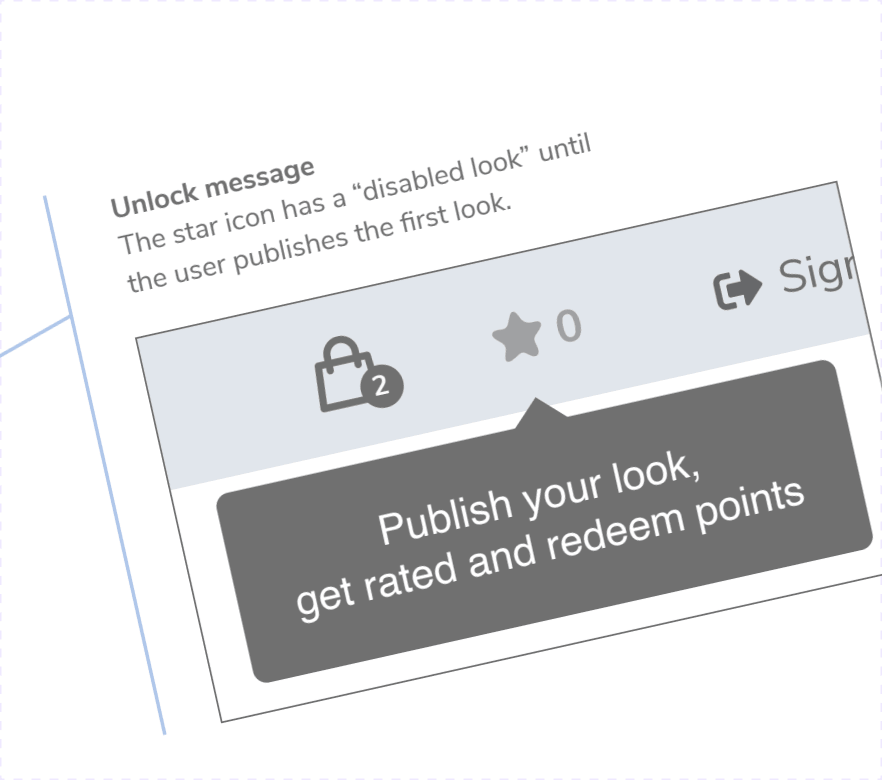
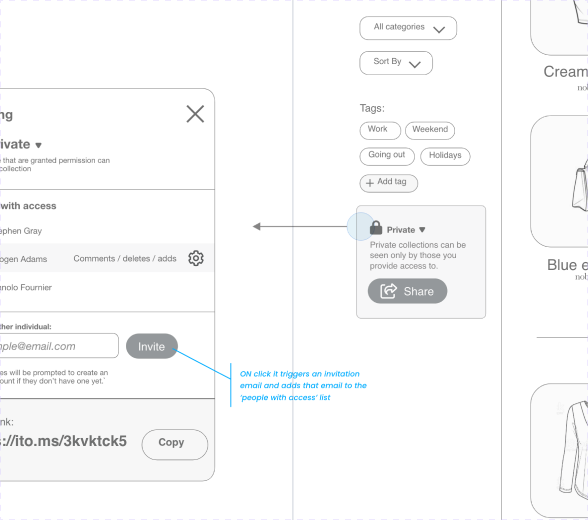
We designed all of it: the sharing and permission model, the invitation and access request flows, the outfit builder, product detail states, notifications, feedback threads and the empty states that decide whether a new user stays past the first minute.
Collections
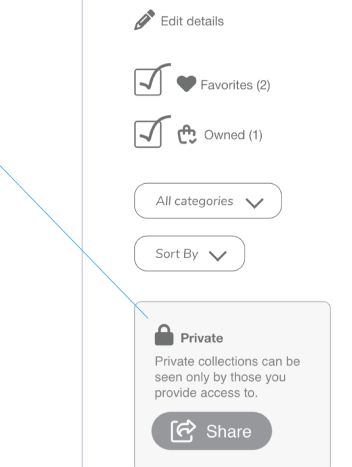
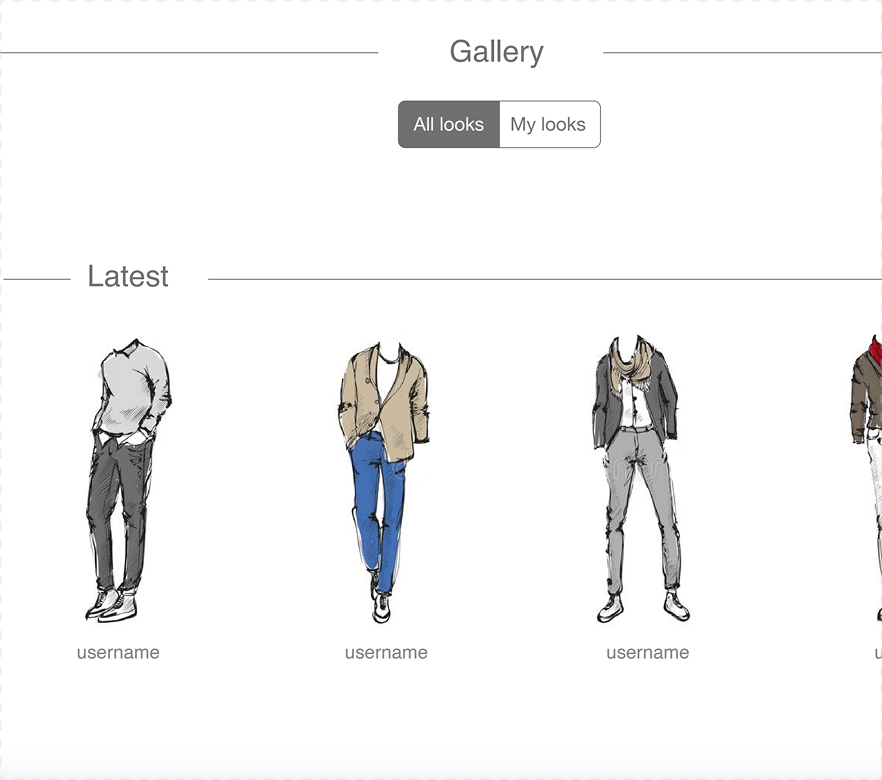
Private by default, shareable by choice.
The owned flag
Every piece can be marked as already owned.
Wardrobe builder
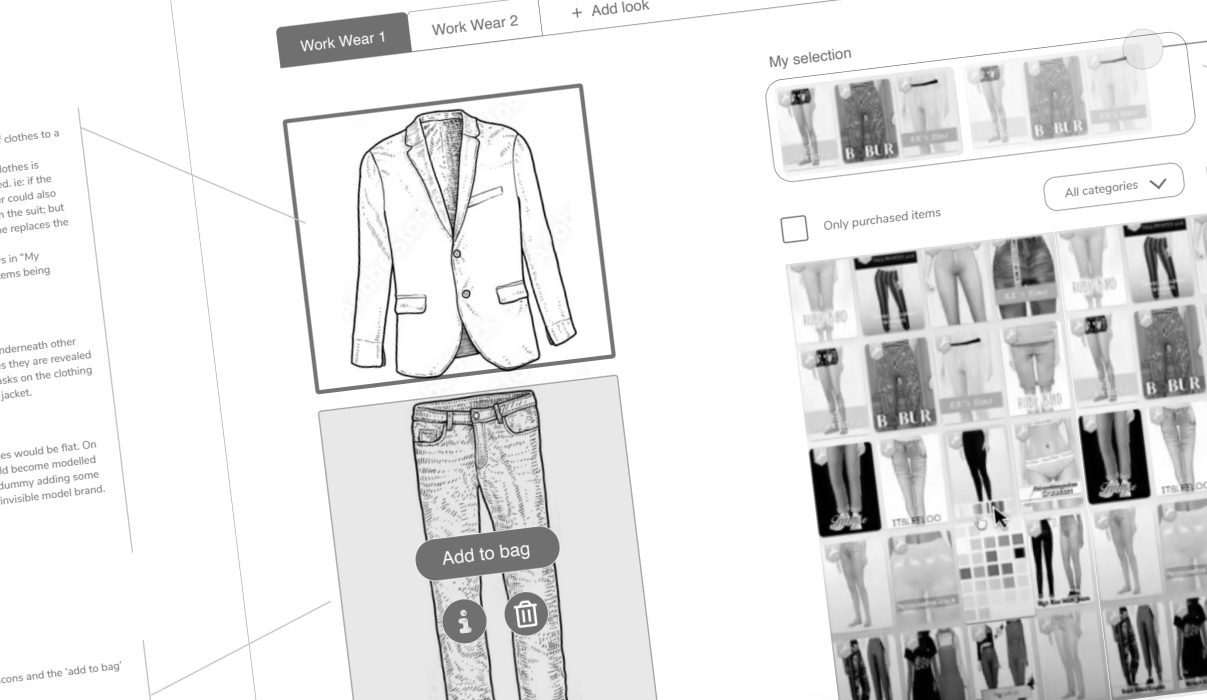
A canvas where pieces can be moved, scaled and layered into a look, with alternatives to swap in offered on either side of the selected garment.
Browser extension
Save a garment from any retailer without leaving the page, choose its collection, and have the background retrieved automatically so every piece sits together.
Sharing and permissions
Granular rights to comment, add or remove. Invitations by email or link, and a request-access route for anyone arriving without permission.
Assisted tagging
Image recognition to read colour, material and style from every saved piece, so the catalogue stays usable as the wardrobe grows.
Ideas that only exist once the wardrobe does
Once a system knows what a person owns, what they want and who it all came from, commercial mechanisms become available that no single retailer could offer on its own.
A shopper filtering a collection down to one retailer could send every piece to that retailer's checkout in a single action. A garment saved months earlier could tell its owner the moment it came back into stock. Suggestions could be restricted to pieces genuinely available to buy, keeping inspiration and inventory in step. Collections could carry conversations, letting a friend or a stylist respond to a whole look rather than a single item.
The idea that survived the pivot
Persi today is a personalisation layer that lives inside a retailer's own site rather than a destination of its own. It still works from the shopper's wardrobe, recommending complete outfits built around pieces the customer already owns and filling the gaps that are genuinely missing. The premise is the one we helped define.
Alongside the product work we developed the brand foundations the business needed in order to be taken seriously in the room: a mature transformational purpose, a manifesto and a written identity system.
The business has since rebranded under a different design team, but the strategic groundwork underneath it was ours.
From concept to funded
The experience we designed and the brand work we produced went on to form the investor pitch deck. In early 2025 the business closed a £660,000 pre-seed round (Haatch and ESM Investments), having earlier secured a Female Innovation Grant to develop the MVP with a retail partner and the University of Stirling.
It relaunched as Persi and now works with retailers including Hirestreet, Wild Swans and Chinti & Parker.
Fewer returns, less waste
Fashion ecommerce carries one of the highest return rates in retail. Every return adds a journey, a repackaging and, frequently, a garment that is never sold again.
A recommendation built on what someone already owns is a recommendation they are more likely to keep. Persi measures itself on returns as much as on conversion, which places the work against UN Sustainable Development Goal 12: responsible consumption and production.
Ready to accelerate?
Tell us about your startup, the challenge you're facing and the milestone you're working towards.
Start the conversation →